Literary FictionePub
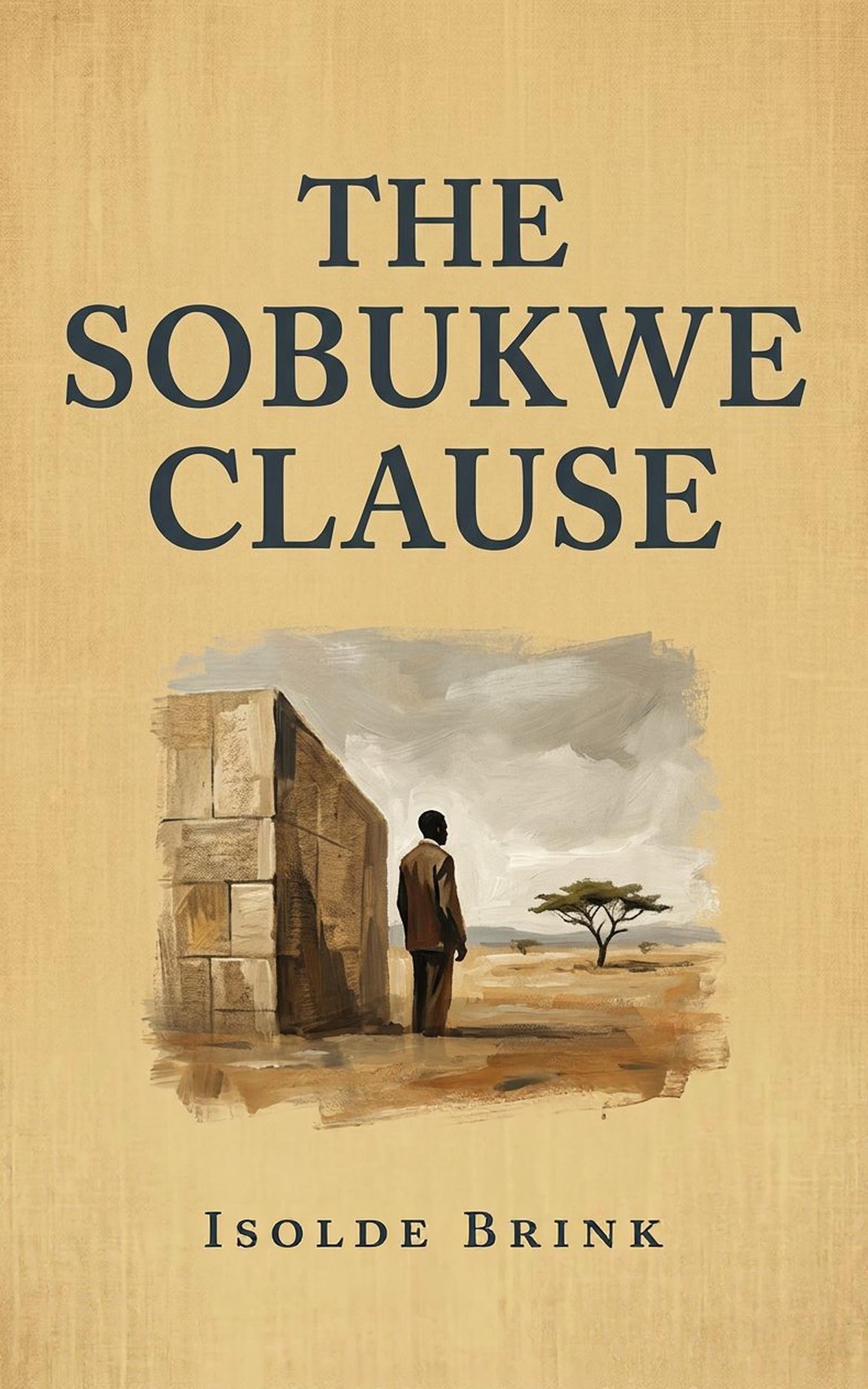
The Sobukwe Clause

Author
Isolde Brink
Share
About this book
A novel of South Africa's long 1960s, following Robert Sobukwe — founder of the Pan Africanist Congress — from his mother's funeral in Graaff-Reinet through the Sharpeville massacre to the Robben Island cottage where a clause bearing his name held him without trial. Isolde Brink writes a study of conviction, marriage, and the architecture of isolation.
The cell does not open. Robert Mangaliso Sobukwe has served his three-year sentence for incitement, packed his books and his photograph of Veronica, and waited. Then a warder leaves a single document on his bed: the General Law Amendment Act of 1963, Section 4, drafted by the apartheid government for one man and one purpose. The press will give it his name.
South Africa, 1959 to the long years that followed. From a township funeral in the Karoo to the lecture halls of the Witwatersrand, from the Orlando police station on the morning of 21 March 1960 to a cottage on Robben Island where a former professor learns to grow tomatoes within sight of a mountain he cannot reach — Isolde Brink follows the architect of the Pan Africanist Congress through the calculation that cost him everything. The pass-law campaign was meant to be arithmetic. Sharpeville turned it into something else.
While Sobukwe builds a structure from cold water and a paraffin stove and a single permitted letter a week, Veronica holds the house in Mofolo together — school fees, a leaking roof, four children growing up in censored sentences.
A novel about conviction as a discipline, about the silence two people agree to keep, and about what a state will write into law when it cannot bear to let a man be forgotten and cannot bear to let him be heard.
“Literary drama at its finest, with dialogue that crackles and silences that speak volumes.”
— Greenlight Editorial★★★★☆