Literary FictionePub
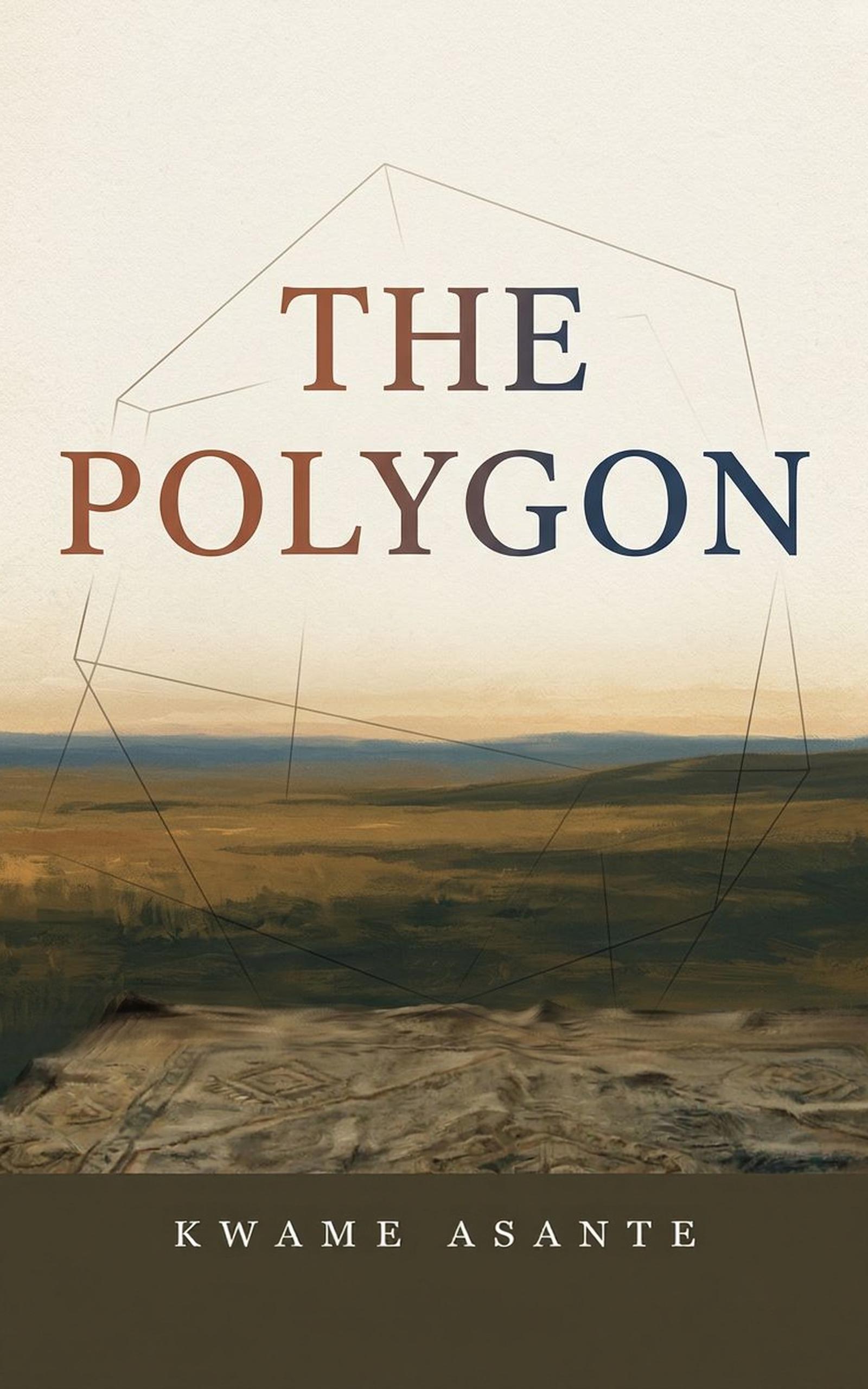
The Polygon

Author
Kwame Asante
Share
About this book
Set on the Kazakh steppe in the shadow of the Semipalatinsk nuclear test site, Kwame Asante's novel follows three generations of Orazova women — a grandmother who keeps the old songs, a mother engineering a household around her daughter's body, and a young painter who works with a brush between her teeth — as the silence of forty years begins, in 1989, to break.
On a stretch of Kazakh steppe eighty kilometers from the world's largest nuclear test site, a twenty-one-year-old woman walks toward an easel standing alone in the grass. She kneels, opens her paint case with her toes, lifts a brush between her teeth, and begins to render the horizon in the colors of wildflowers. The mushroom cloud she paints is not imagined. It has been falling on her family, in one form or another, for forty years.
In the village of Kainar in 1989, three women hold the weight of what the Soviet Union has refused to name. Bibi, once a *jyrau* trained in the old songs, retreats into folk tales of a dragon sleeping beneath the earth. Her daughter Zere teaches mathematics by day and dresses her armless daughter each morning in a wordless ritual of love and grief. Aisulu paints, ferociously, in a house whose walls are a private gallery of fury.
When a young journalist arrives from Almaty looking for a noble sufferer, and a country doctor unlocks thirty years of secret records, the family is drawn toward a movement that has begun to gather in the cities — and toward a question Aisulu has spent her life refusing to answer aloud.
Kwame Asante's novel moves between 1949 and 1989, between the moment the dragon woke and the moment a nation began, at last, to speak of it.
“Literary drama at its finest, with dialogue that crackles and silences that speak volumes.”
— Rafael Santos, author of The Planter★★★★★