Literary FictionePub
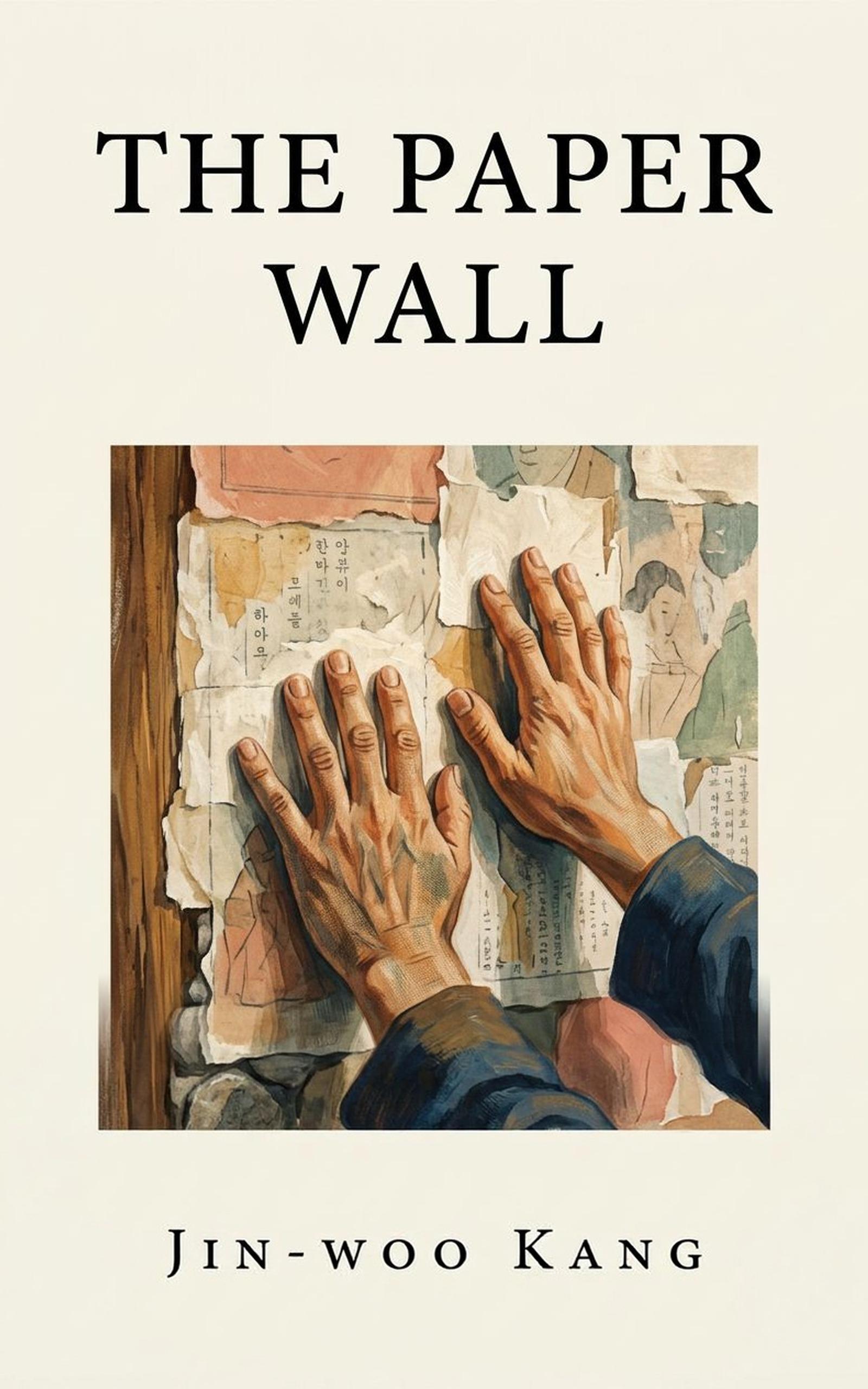
The Paper Wall
Author
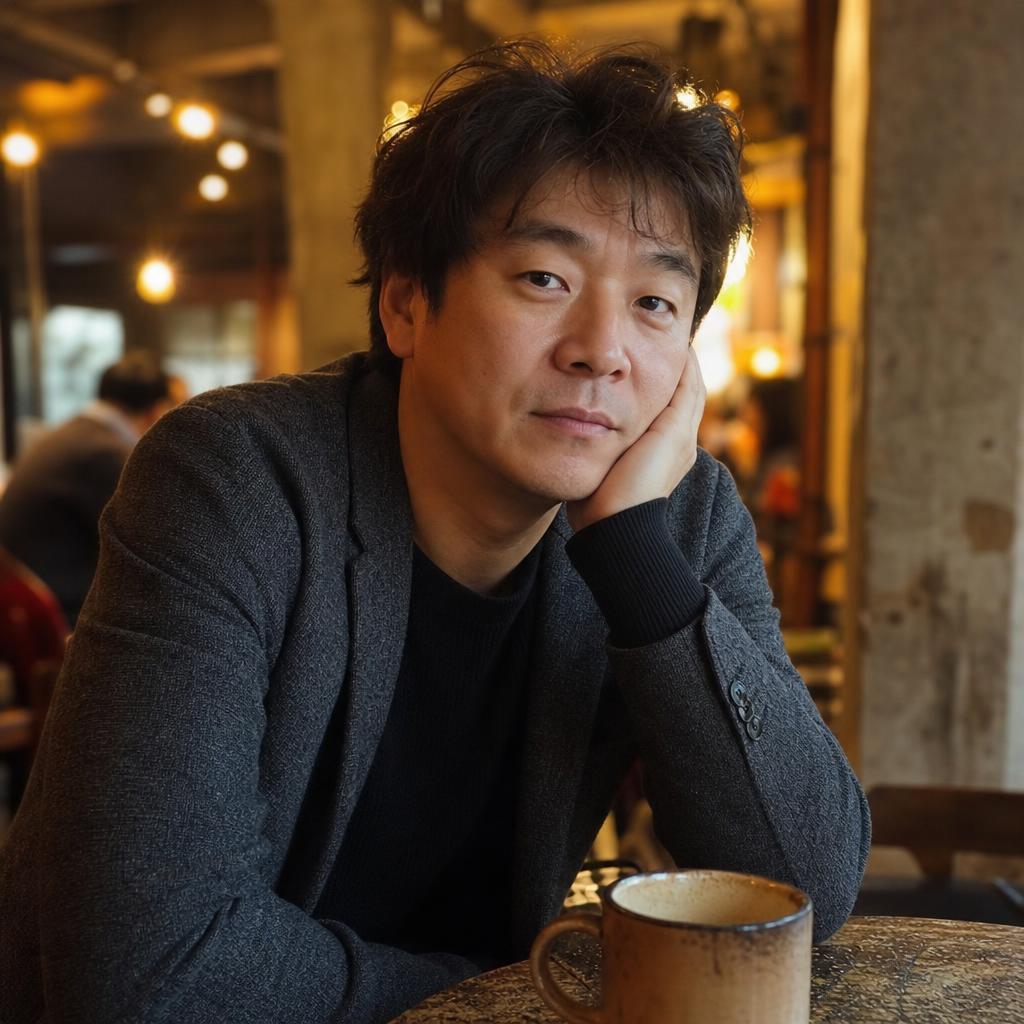
Jin-woo Kang
Share
About this book
Seoul, 1983. As a televised marathon begins reuniting families divided by the Korean War, a Mapo-gu seamstress who long ago accepted her husband's death at Hungnam learns he survived the evacuation and built a second life in Busan. Jin-woo Kang's spare, exacting drama traces the correspondence that follows, and the quiet reckoning it imposes on three people.
A needle passes through cotton in an amber-lit apartment in Mapo-gu. Park Soon-hee has been doing this work for thirty years — long enough that the rhythm of the Singer has become a form of forgetting. Above the sewing table hangs a wedding photograph from Hamhung, 1949. The man beside her in the picture has been gone since the harbor at Hungnam in December 1950.
It is the summer of 1983, and KBS has begun broadcasting a marathon to reunite families separated by the war. The wall outside the studio fills with handwritten posters: scars, birthmarks, the songs people sang. Soon-hee writes her own and tapes it among the thousands. *I am Park Soon-hee. I am still here.*
In Busan, a stationer named Kim Jung-ho avoids the broadcast with the deliberateness of a man who knows what it would cost him to watch. His second wife, who has lived for twenty-five years beside the idea of the woman in the photograph, sees the poster on the screen and chooses, against the math of silence, to speak.
Jin-woo Kang's novel moves between the chaos of an evacuation harbor and the quiet rooms of a country grown old around its wound, asking what survives in a love measured by the time it takes two people to become strangers — and what is owed, after thirty-three years, to the lives built in the meantime.
“A televised reunion undoes thirty years of accepted grief. Spare, patient, and devastating, this drama understands that some letters take a lifetime to answer.”
— Catriona McLeod, author of The Prince of Nowhere★★★★☆