Historical FictionePub
The Farthest City
Author
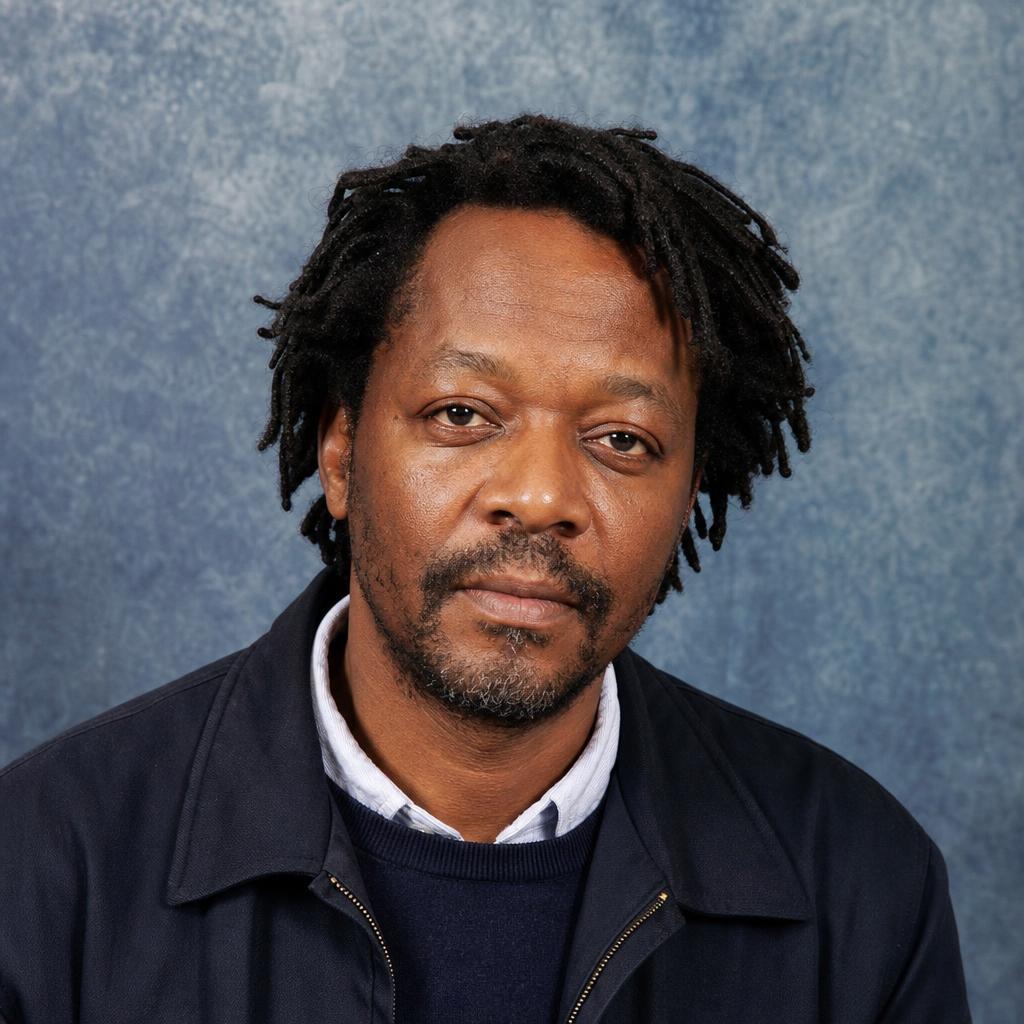
Gabriel Okonkwo
Share
About this book
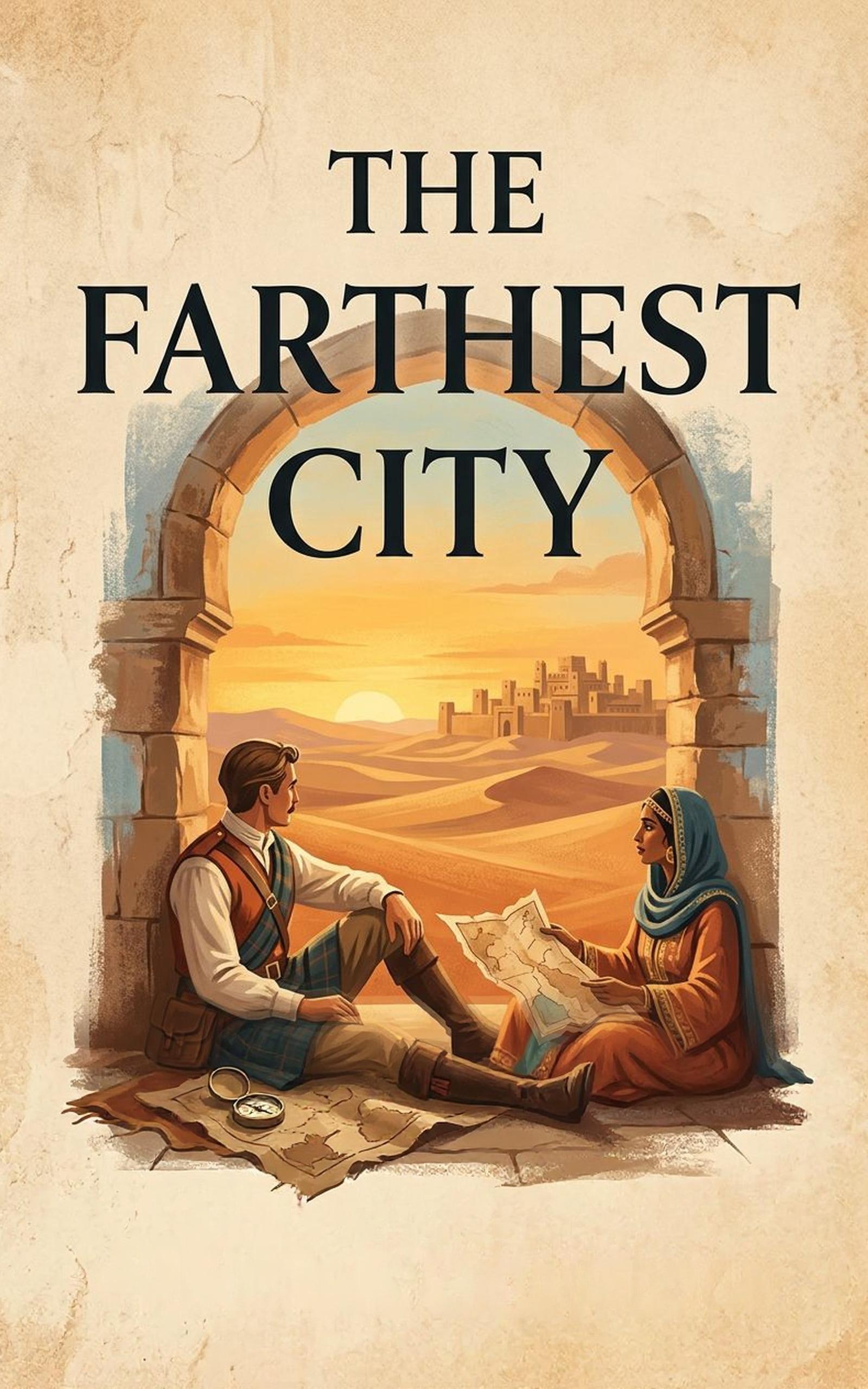
A novel of obsession and empire, drawn from the historical record of Major Alexander Gordon Laing's 1825 expedition from Tripoli into the Sahara in pursuit of Timbuktu. Gabriel Okonkwo follows a Scottish officer, his young bride left on a consulate rooftop, and a Tuareg guide whose intentions remain unreadable, into the blank space at the heart of the colonial map.
Tripoli, July 1825. A Scottish major sits at a borrowed desk turning a ceramic cup in his hands, memorizing the weight of a civilized object before he walks away from civilization. He has spent five months waiting for permission to cross the Sahara and become the first European to set eyes on Timbuktu — a city he has assembled in his imagination from Leo Africanus and the rumors of Arab traders, and marked on his map with a star drawn in gold ink.
His name is Alexander Gordon Laing. Two days before he departs, he marries Emma Warrington, the consul's nineteen-year-old daughter, who has learned that he talks in his sleep about the desert. The wedding night is the only night they will ever share.
Ahead lie two hundred thousand square miles of sand the Tuareg call the Land of Thirst, a guide whose hand grips lightly when shaken, and a route along which caravans have lately been disappearing. Laing carries a sextant, a folded British flag, and a faith — closer to theology than to confidence — that the city at the end of the journey must be magnificent because he requires it to be.
Drawn from the documented record of Laing's expedition, Gabriel Okonkwo's novel asks what a man owes to the people he leaves behind, and what the indifferent geography of the Earth owes to anyone at all.
“A historical novel that illuminates the past while speaking directly to the present. Essential reading.”
— Greenlight Editorial★★★★☆