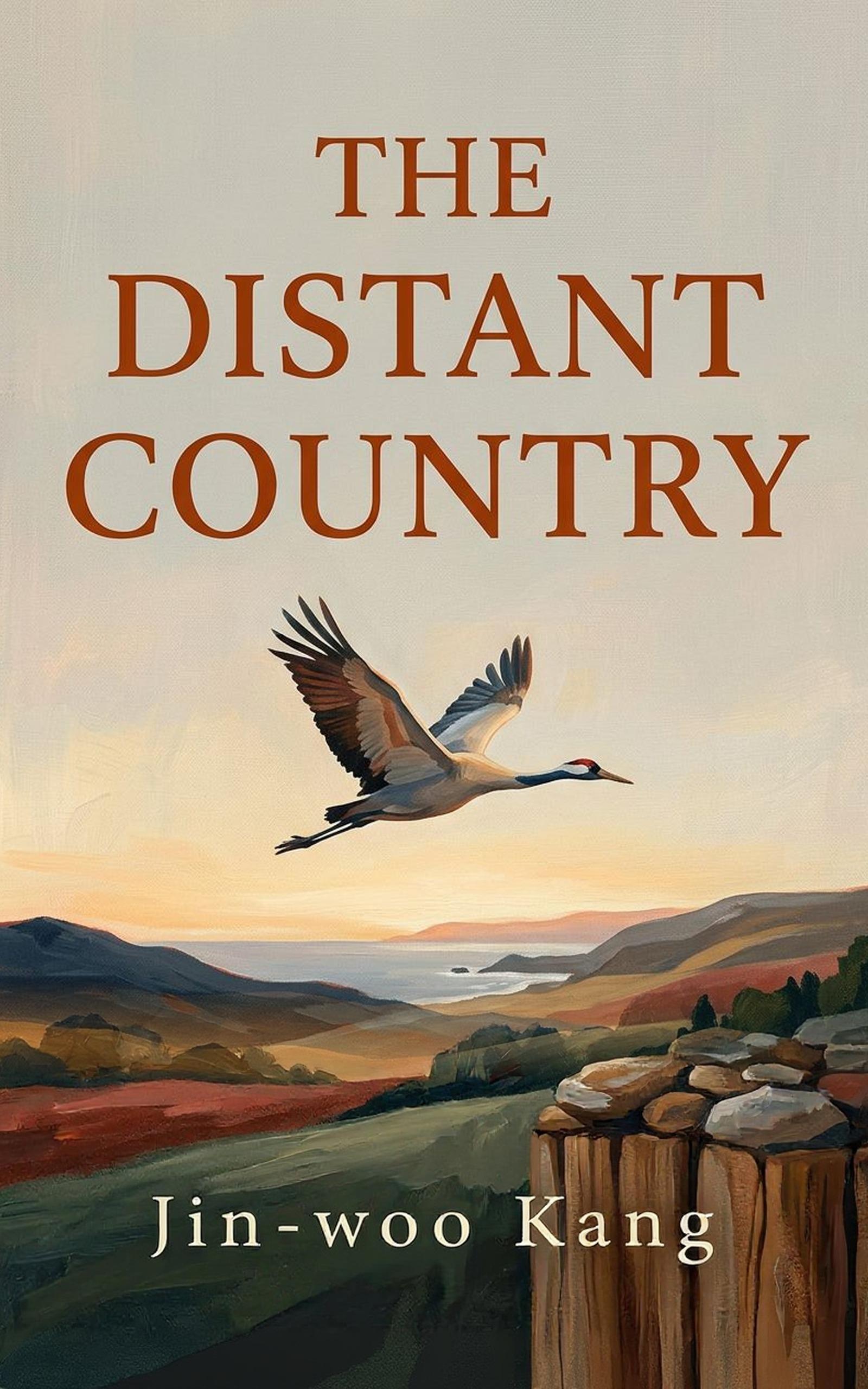
The Distant Country
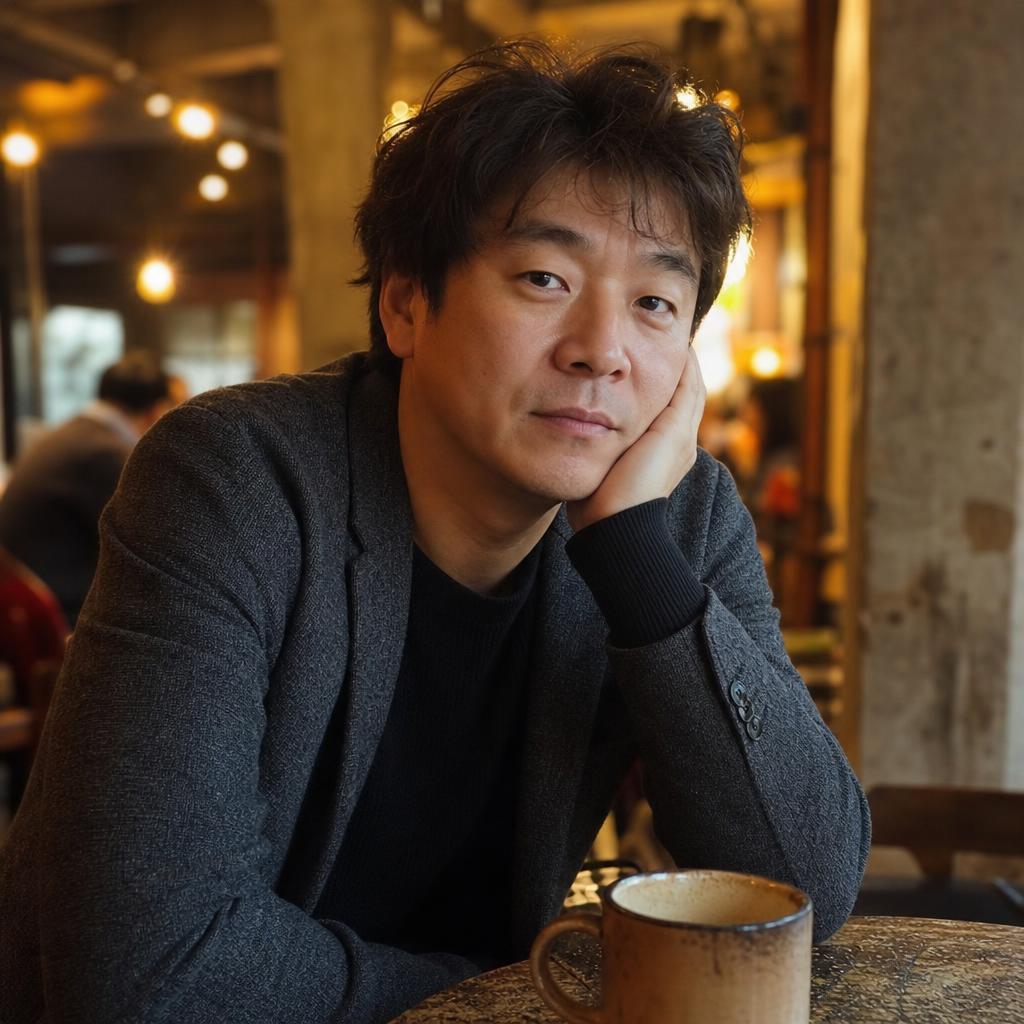
Author
Jin-woo Kang
Share
About this book
A multigenerational novel following three women of one Korean family across nearly a century — from Soviet Vladivostok in 1937, through the Uzbek collective farms of the late 1960s, to present-day Seoul. Jin-woo Kang traces the long shadow of Stalin's deportation of the Koryo-saram, and the fragile inheritance of language, memory, and belonging passed between mothers and daughters.
In a Vladivostok kitchen in the autumn of 1937, a young woman wraps three porcelain bowls in newspaper and waits for the knock at the door. By morning she will be on a sealed train, bound east across a continent she has never seen, carrying a country folded inside a cloth bundle.
Three decades later, in a cotton-growing collective outside Tashkent, her daughter learns Russian poetry from a teacher who cannot pronounce her name. In 2024, in a high-rise above the Han River, a Seoul archivist opens a manila envelope from a stranger in Uzbekistan and finds a photograph of a grandmother she has been told never existed.
Jin-woo Kang traces three generations of Koryo-saram women through the long aftermath of Stalin's 1937 deportation — the rail journey that scattered 172,000 ethnic Koreans across the steppes of Central Asia, and the inheritance of silence that followed. Each woman is searching for a homeland; each finds that the country she is looking for lives only in the mother who came before her.
Written in patient, exact prose, Kang's novel asks what is owed between generations who cannot share a language, and what survives of a place once the last person who remembered it is gone. A meditation on diaspora, deportation, and the small objects — a recipe, a song, a name — by which a people refuses to disappear.
“Between mother and daughter, what survives a state's erasure of the map beneath them? Across ninety years and three countries, the answer proves smaller and sturdier than nation or tongue.”
— Vasilis Anagnostopoulos, author of The Wool Kingdom★★★☆☆