Literary FictionePub
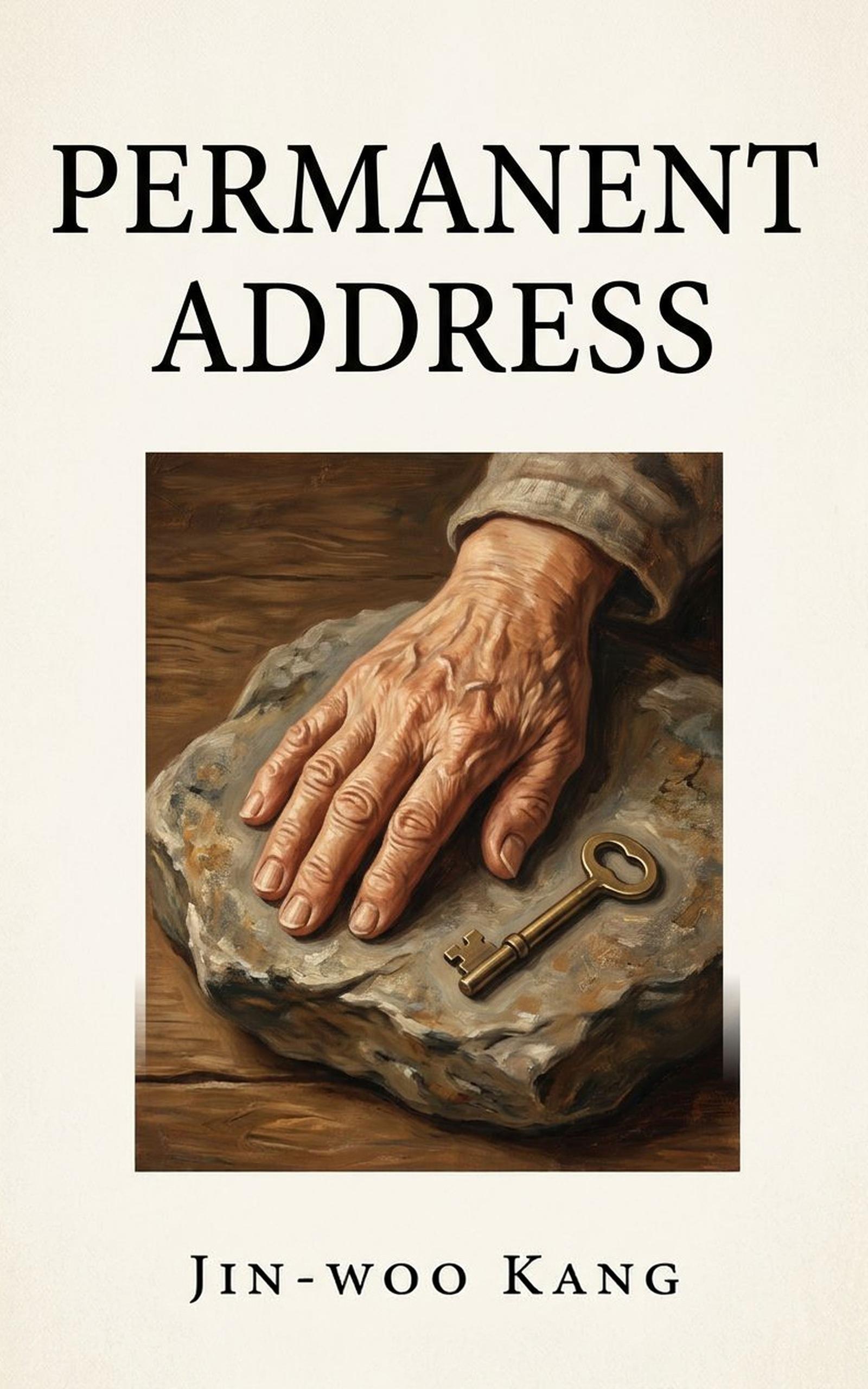
Permanent Address
Author
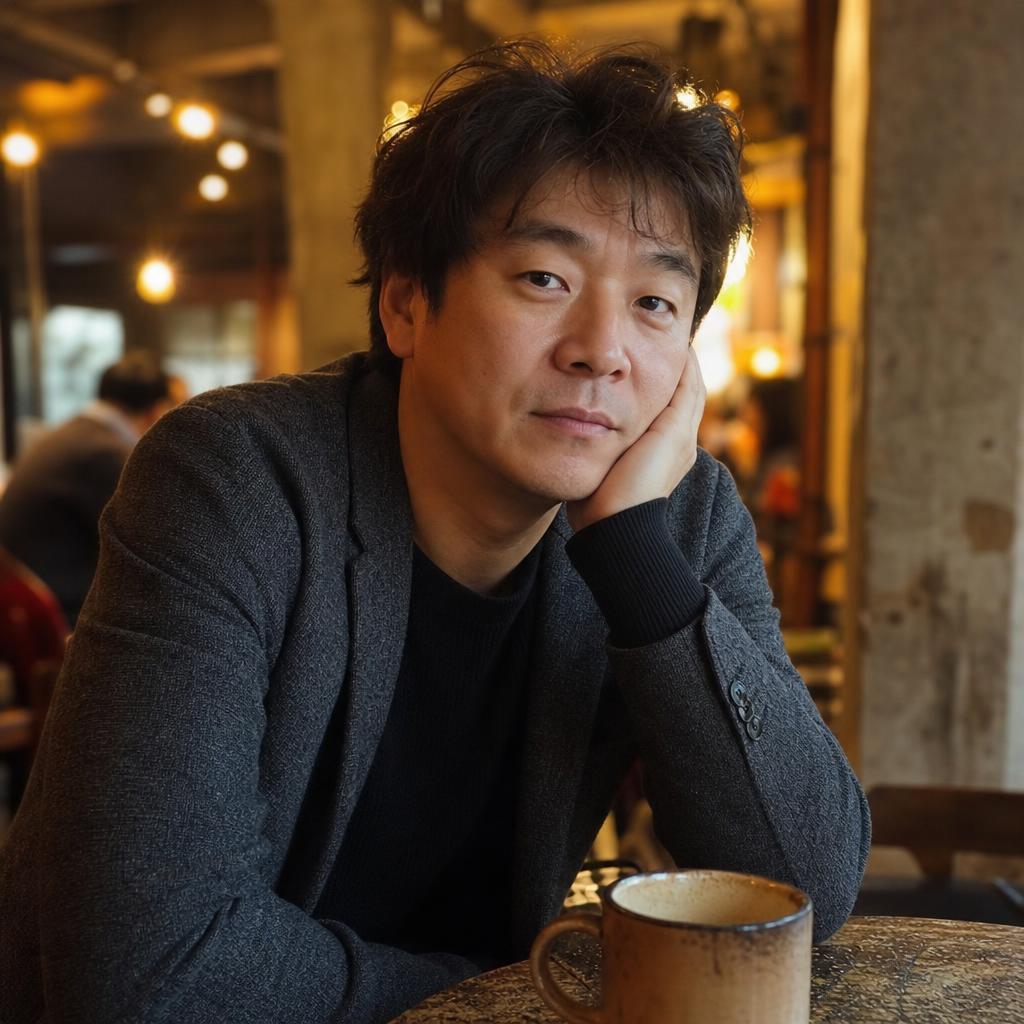
Jin-woo Kang
Share
About this book
Jin-woo Kang's novel follows Soon-hee Pak, who at seventy-eight leaves the Russian island where she has lived since 1943 and returns to a South Korea she barely recognizes. Carrying a jade plant and a childhood address in Busan, she negotiates the distance between the country she remembers and the one waiting to receive her.
On a February morning in Yuzhno-Sakhalinsk, a seventy-eight-year-old woman wraps a jade plant in newspaper and packs it as carefully as an organ for transplant. Soon-hee Pak has lived on Sakhalin Island for fifty-seven years. She was eleven when the Japanese military took her family from Busan in 1943; she has written the same childhood address on every Soviet document since.
Now, in the spring of 2000, she crosses the Sea of Japan in the opposite direction, leaving behind her son Viktor, her granddaughter Anya, and the grave of a Korean postal worker who never sent his letters home. The South Korea that meets her at Incheon is a cathedral of glass and brushed steel, moving at a velocity her body cannot match. Her Gyeongsang dialect, preserved like a language in amber, is no longer the Korean spoken on the streets.
In a government apartment block in Ansan, among other repatriated Sakhalin Koreans, Soon-hee builds a careful daily life. But the address she has carried for fifty-five years is three hundred kilometers south, and a machine can find in four seconds what she spent a lifetime trying to reach.
Jin-woo Kang's quiet, exact novel asks what a person owes the country that lost her, and what she still owes the country she made in its absence.
“Which country is home, the one you remember or the one that forgot you? A jade plant, an old Busan address, and a novel that lets the question stay tender and unresolved.”
— Sandile Mokoena, author of Room 619★★★★★